Motivational Interviewing (mi) in Pontiac, MI
Motivational Interviewing Techniques: A Guide for Clinicians
In the ever-evolving landscape of addiction treatment, motivational interviewing (MI) stands out as a highly effective approach for clinicians. This client-centered counseling style fosters a supportive environment, encouraging patients to explore their motivations and ambivalence regarding change. At Integrated Care Clinicians, LLC, we understand the importance of these techniques in enhancing patient outcomes, especially within our Methadone Maintenance Treatment programs in Pontiac, MI.
Understanding Motivational Interviewing Techniques
Motivational interviewing is not merely a set of techniques; it is a way of being with clients that promotes their autonomy and recognizes their capacity for change. Clinicians who master MI can significantly improve their effectiveness in counseling, particularly in the context of opioid treatment. Here we outline some key motivational interviewing techniques:
1. Open-Ended Questions
Open-ended questions are essential in MI as they encourage patients to express their thoughts and feelings more freely. Instead of asking yes/no questions, clinicians can ask:
- “What are your thoughts on your current situation?”
- “How do you feel about the changes you want to make?”
This approach not only provides valuable insights into the patient’s mindset but also empowers them to take ownership of their recovery journey.
2. Reflective Listening
Reflective listening involves actively listening to what the patient says and reflecting it back to them. This technique helps to build rapport and shows the patient that you are genuinely interested in their perspective. For example, if a patient expresses doubt about quitting opioids, a clinician might respond:
"It sounds like you're feeling uncertain about making this change."
This affirmation can help patients feel heard and understood, which is crucial in fostering an open dialogue.
3. Affirmations
Affirmations involve recognizing and appreciating the patient’s strengths and efforts. By acknowledging their struggles and successes, clinicians can boost patients' confidence in their ability to change. Simple affirmations like:
- “I admire your willingness to discuss this.”
- “It takes courage to face your challenges.”
These statements can have a profound impact on a patient’s motivation.
4. Summarizing
Summarizing involves pulling together the key points of the conversation. This technique not only reinforces what has been discussed but also provides an opportunity for the patient to correct any misunderstandings. A good summary might be:
"So, you’re feeling conflicted about using methadone, but you also see the benefits it could bring to your life."
By summarizing, clinicians can ensure that the patient feels that their voice is valued and acknowledged.
5. Eliciting Change Talk
Change talk refers to the patient’s own arguments for change. Eliciting this type of dialogue is critical in MI. Clinicians might ask:
- “What would be different in your life if you were to stop using opioids?”
- “How would achieving this goal impact your family?”
These questions encourage patients to articulate their desires and reasons for change, solidifying their commitment.
Application of Motivational Interviewing Techniques in Practice
Incorporating motivational interviewing techniques into clinical practice requires training and a commitment to a patient-centered approach. At Integrated Care Clinicians, LLC, we emphasize the importance of these skills for our staff and encourage continuous learning and development in MI. Here are some practical applications:
Integrating MI into Treatment Plans
When developing treatment plans for patients undergoing Methadone Maintenance Treatment, clinicians should utilize MI techniques to assess readiness for change. This might involve initial assessments where open-ended questions are used to gauge patient motivation and concerns. As treatment progresses, regular use of reflective listening and summarizing can help maintain engagement and adjust the treatment plan based on the patient’s evolving needs.
Creating a Supportive Environment
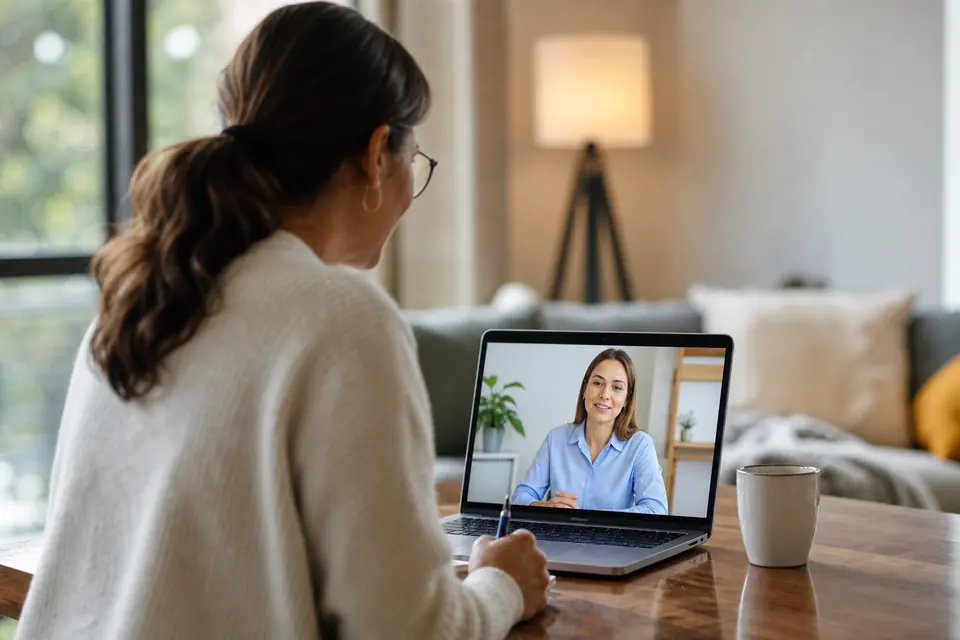
Implementing motivational interviewing techniques also means fostering an environment where patients feel safe to share their thoughts and feelings. Clinicians should strive to create a non-judgmental atmosphere where patients can openly discuss their struggles without fear of criticism. This can greatly enhance the therapeutic relationship and improve outcomes.
Training and Resources
Clinicians looking to enhance their skills in motivational interviewing can benefit from targeted training and resources. Integrated Care Clinicians, LLC offers workshops and training sessions that focus on practical MI techniques tailored for addiction treatment. By participating in these programs, clinicians can refine their skills and learn new methods to effectively engage with patients.
Benefits of Motivational Interviewing for Patient Outcomes
The application of motivational interviewing techniques can lead to numerous benefits for patients undergoing treatment for opioid addiction:
- Increased Engagement: Patients are more likely to engage actively in their treatment when they feel heard and understood.
- Enhanced Motivation: MI fosters intrinsic motivation, which is critical for long-term recovery.
- Better Communication: Effective communication in counseling improves the therapeutic relationship, leading to better outcomes.
- Reduced Resistance: By exploring ambivalence, clinicians can help patients navigate their fears and concerns about change.
These benefits contribute to more successful treatment outcomes and a higher likelihood of sustained recovery.
Compassionate Care Awaits You
Motivational interviewing techniques are invaluable tools for clinicians working in the field of addiction treatment. By mastering these techniques, healthcare providers can significantly enhance their ability to support patients, particularly in the context of Methadone Maintenance Treatment at Integrated Care Clinicians, LLC. We invite clinicians and addiction counselors in Pontiac, MI, to explore our training resources and incorporate motivational interviewing into their practice to improve patient engagement and outcomes.
If you’re interested in learning more about motivational interviewing techniques or want to explore our services, please contact Integrated Care Clinicians, LLC at (248) 818-1249 or visit our website at iccproviders.com.