Yoga for Addiction Recovery in Pontiac, MI
Integrative Yoga Practices for Opioid Addiction Treatment
Integrative yoga has emerged as a powerful tool in the recovery journey for individuals struggling with opioid addiction. At Integrated Care Clinicians, LLC, we understand the complexities of addiction and the need for comprehensive treatment approaches. Our focus on Methadone Maintenance Treatment, combined with integrative practices like yoga, can significantly enhance recovery outcomes. This article explores how integrative yoga supports addiction recovery and offers specific practices that can be beneficial for individuals in treatment.
The Role of Integrative Yoga in Addiction Recovery
Integrative yoga is more than just physical exercise; it encompasses a holistic approach that nurtures the mind, body, and spirit. For those recovering from opioid addiction, this practice can provide essential support by:
- Reducing Stress and Anxiety: Yoga promotes relaxation and mindfulness, which can help alleviate the stress and anxiety often associated with recovery.
- Enhancing Emotional Regulation: Through breath control and meditation, individuals can learn to manage their emotions more effectively, reducing the likelihood of relapse.
- Building a Supportive Community: Yoga classes often foster a sense of community, allowing individuals to connect with others who understand their struggles.
- Improving Physical Health: Regular practice can enhance physical well-being, helping to repair the body after the effects of addiction.
Specific Yoga Practices for Opioid Addiction Recovery
Incorporating specific yoga practices into recovery can yield numerous benefits. Here are some effective techniques:
1. Breath Awareness and Pranayama
Breath awareness is a fundamental aspect of yoga that encourages individuals to focus on their breathing patterns. Techniques such as pranayama (breath control) can help calm the nervous system, reduce cravings, and promote emotional stability. Simple exercises like the 4-7-8 technique can be practiced anywhere and can be particularly useful during moments of stress.
2. Mindful Meditation
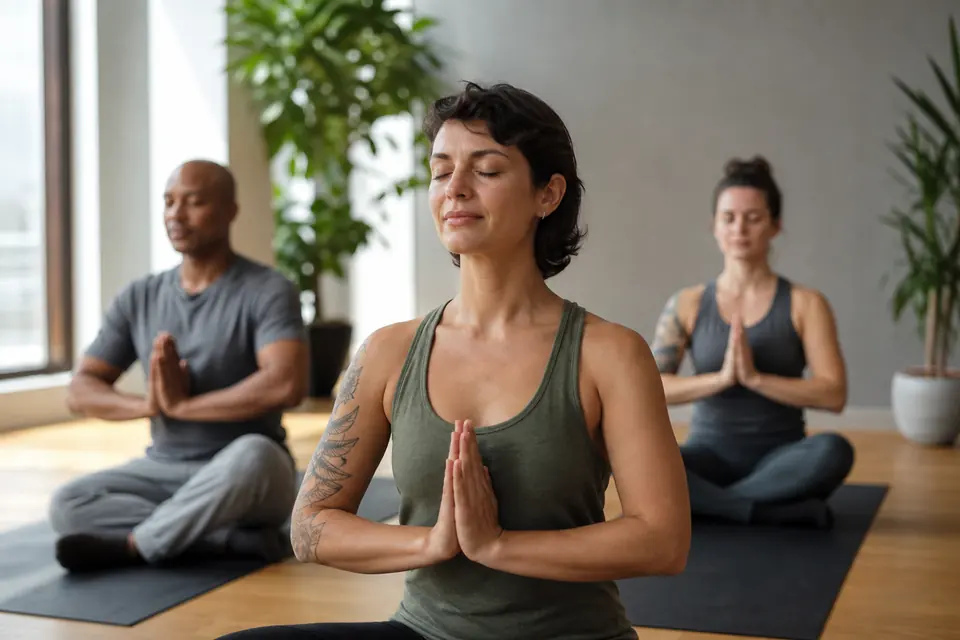
Mindful meditation is an excellent way to foster self-awareness and acceptance. By sitting quietly and focusing on the present moment, individuals can observe their thoughts and feelings without judgment. This practice can help reduce the emotional turmoil that often accompanies recovery. Meditation can also enhance coping strategies, making it easier to face cravings and triggers.
3. Gentle Asanas
Gentle yoga postures, or asanas, such as Child's Pose, Cat-Cow, and Legs-Up-the-Wall Pose, can help release physical tension and promote relaxation. These poses are accessible to all levels and can be modified as needed. Incorporating a short series of gentle asanas into a daily routine can help individuals reconnect with their bodies and develop a sense of agency over their physical health.
4. Restorative Yoga
Restorative yoga focuses on relaxation and recovery, using props like bolsters and blankets to support the body in restful poses. This practice can be particularly beneficial for individuals in recovery, as it encourages deep relaxation and helps to restore balance. Restorative yoga can also aid in processing emotions, making it a valuable addition to any recovery plan.
5. Group Yoga Classes
Participating in group yoga classes can provide a sense of belonging and community. These classes often create a safe space for individuals to share their experiences and connect with others on a similar journey. The shared experience of practicing yoga together can foster motivation and accountability, which are crucial in the recovery process.
Benefits of Integrative Yoga for Addiction Recovery
Integrating yoga into addiction recovery offers numerous benefits that go beyond physical health:
- Increased Self-Esteem: Regular yoga practice can improve body image and self-worth, empowering individuals to embrace their recovery journey.
- Enhanced Focus and Clarity: Mindfulness practices can sharpen concentration, helping individuals stay committed to their recovery goals.
- Improved Sleep Quality: Yoga promotes relaxation, making it easier to fall asleep and stay asleep, which is often challenging for those in recovery.
- Development of Coping Strategies: Yoga teaches individuals how to manage stress and cravings without turning to substances, equipping them with essential tools for recovery.
How to Get Started with Integrative Yoga
If you are considering incorporating integrative yoga into your recovery journey, here are some steps to get started:
- Find a Qualified Instructor: Look for yoga instructors who specialize in addiction recovery or have experience working with individuals facing similar challenges.
- Start Slowly: Begin with gentle classes or online tutorials that focus on breathwork and mindfulness. Listen to your body and progress at your own pace.
- Set Realistic Goals: Set achievable goals for your yoga practice, whether it's attending a certain number of classes per week or mastering a specific pose.
- Incorporate Yoga into Your Routine: Aim to practice yoga regularly, even if it's just for a few minutes each day. Consistency is key to reaping the benefits.
Contact Integrated Care Clinicians, LLC for Support
At Integrated Care Clinicians, LLC, we are committed to supporting individuals on their journey to recovery. Our comprehensive opioid addiction treatment services, including Methadone Maintenance Treatment, are designed to meet the unique needs of each patient. We believe in the power of integrative practices like yoga to enhance recovery outcomes.
If you or a loved one is struggling with opioid addiction and would like to learn more about how integrative yoga can support your recovery, please contact us at (248) 818-1249 or visit our website at iccproviders.com. We are here to provide the support and resources you need to reclaim your life.