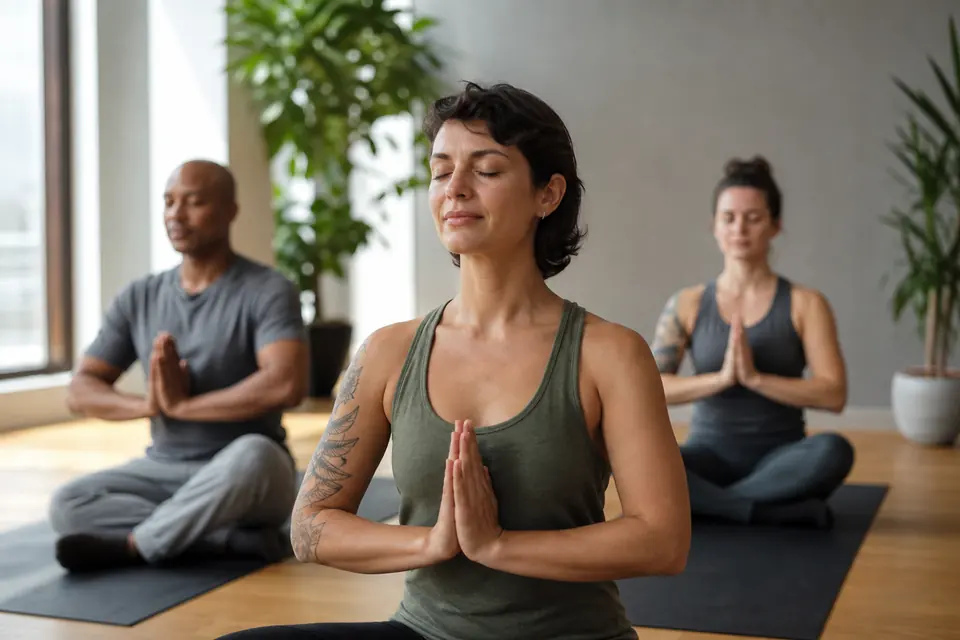
Yoga for Addiction Recovery in Pontiac, MI
Overcoming Addiction with Yoga: Techniques That Work
Addiction is a complex challenge that affects not only the individual but also their families and communities. As more people seek holistic approaches to recovery, yoga has emerged as a powerful tool in the journey toward overcoming addiction. At Integrated Care Clinicians, LLC, we specialize in providing comprehensive opioid addiction treatment services, including Methadone Maintenance Treatment, to help individuals reclaim their lives. In this article, we will explore effective yoga techniques for overcoming addiction and discuss how they can support your recovery journey.
The Role of Yoga in Addiction Recovery
Yoga is more than just a physical exercise; it is a holistic practice that integrates the mind, body, and spirit. For individuals in recovery, yoga can offer numerous benefits, including:
- Stress Reduction: Yoga promotes relaxation, helping to reduce stress and anxiety, which are common triggers for relapse.
- Improved Mindfulness: Mindfulness yoga encourages individuals to stay present, fostering a greater awareness of thoughts and emotions, which can reduce impulsive behaviors.
- Enhanced Physical Health: Regular practice improves overall physical well-being, making it easier for individuals to engage in their recovery process.
- Community Support: Participating in group yoga classes can foster a sense of belonging and support among peers in recovery.
Practical Yoga Techniques for Overcoming Addiction
Several specific yoga techniques can be particularly effective in supporting addiction recovery. Let’s delve into these practices and how they can help you or your loved ones.
1. Breath Awareness
Breath awareness is a foundational practice in yoga that encourages individuals to focus on their breathing patterns. This technique can be especially beneficial for those in recovery as it promotes relaxation and reduces anxiety. Here’s how to practice breath awareness:
- Find a comfortable seated position or lie down.
- Close your eyes and take a deep breath in through your nose, filling your lungs.
- Exhale slowly through your mouth, letting go of any tension.
- Continue to focus on your breath, observing each inhalation and exhalation.
Practicing breath awareness for just a few minutes each day can help ground you and provide a sense of calm during challenging moments.
2. Mindfulness Yoga
Mindfulness yoga combines traditional yoga poses with mindfulness techniques. This practice encourages individuals to stay present, helping them become more aware of their thoughts and feelings without judgment. Here’s a simple mindfulness yoga flow:
- Start in Mountain Pose (Tadasana), standing tall with your feet together.
- Inhale and raise your arms overhead, reaching for the sky.
- Exhale and fold forward into Forward Bend (Uttanasana), allowing your head to hang heavy.
- Inhale and rise back to Mountain Pose, focusing on the sensations in your body.
This flow can be repeated several times, allowing you to cultivate awareness and presence while moving through the poses.
3. Restorative Yoga
Restorative yoga uses props to support the body in gentle poses, promoting deep relaxation and healing. This practice can be particularly helpful for individuals in recovery, as it allows them to release tension and stress. To practice restorative yoga:
- Set up a comfortable space with blankets, pillows, or bolsters.
- Try a supported Child’s Pose by placing a bolster under your chest and allowing your head to rest on the ground.
- Hold the pose for several minutes, focusing on your breath and letting your body relax completely.
Incorporating restorative yoga into your routine can help you manage stress and promote emotional healing.
4. Meditation
Meditation is an essential component of yoga that helps to quiet the mind and foster inner peace. For those in recovery, meditation can aid in managing cravings and enhancing self-awareness. A simple meditation technique includes:
- Sit comfortably with your back straight and hands resting on your knees.
- Close your eyes and take a few deep breaths, allowing your body to relax.
- Focus on a single point, such as your breath or a mantra, and gently bring your attention back to it whenever your mind wanders.
Even a few minutes of meditation each day can significantly impact your mental clarity and emotional stability.
Integrating Yoga into Your Recovery Journey
Incorporating yoga techniques into your recovery plan can enhance your overall well-being and support your journey toward sobriety. Here are some tips for getting started:
- Find a Class: Look for local yoga studios or community centers that offer classes specifically designed for addiction recovery.
- Practice Regularly: Aim for consistency by setting aside time each week for yoga practice, whether at home or in a class setting.
- Be Patient: Recovery is a process that takes time. Be gentle with yourself and recognize that progress may come in small increments.
- Connect with Others: Consider joining a yoga group for those in recovery to build a supportive community.
Experience Personalized Support
Yoga offers practical techniques that can significantly aid individuals in overcoming addiction. By integrating practices such as breath awareness, mindfulness yoga, restorative yoga, and meditation into your recovery journey, you can cultivate resilience, reduce stress, and foster a deeper connection with yourself. At Integrated Care Clinicians, LLC, we are committed to supporting individuals struggling with opioid addiction through comprehensive treatment options, including Methadone Maintenance Treatment. If you or a loved one is seeking assistance on the path to recovery, we invite you to reach out to us at (248) 818-1249 or visit our website at https://iccproviders.com/. Together, we can navigate the journey toward a healthier, addiction-free life.