Motivational Interviewing (mi) in Ferndale, MI
Motivational Interviewing (mi) in Ferndale, MI
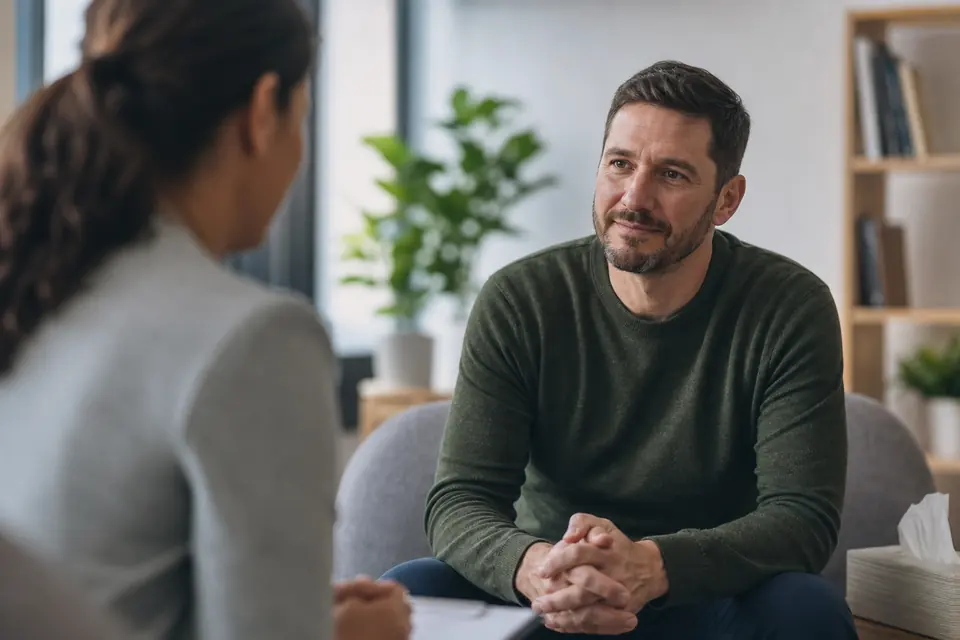
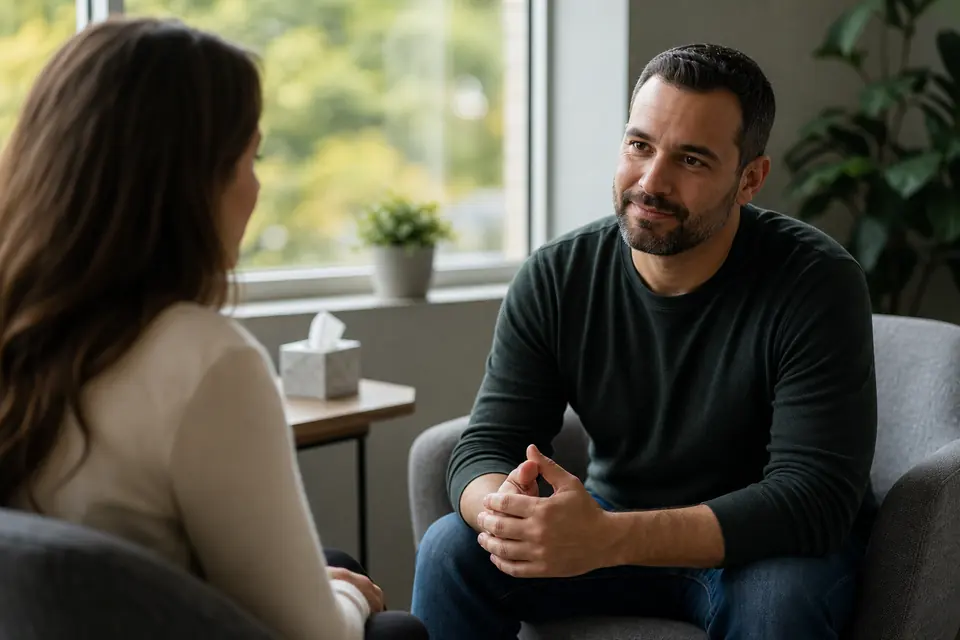
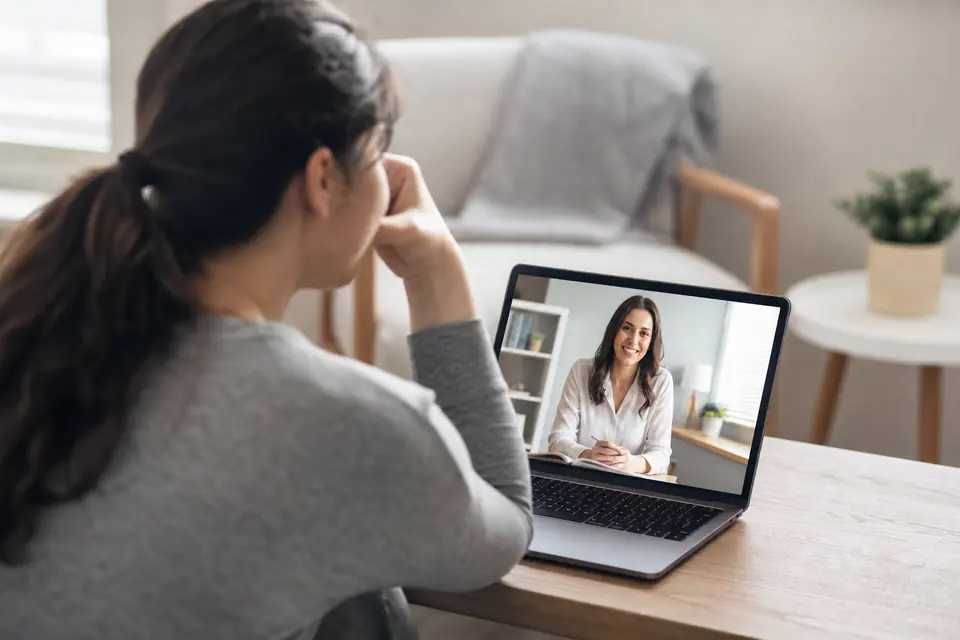
In the heart of Ferndale, MI, a dedicated approach to overcoming opioid addiction is taking shape through the innovative practices of Integrated Care Clinicians, LLC Methadone Maintenance Treatment. One of the cornerstones of our comprehensive opioid addiction treatment services is Motivational Interviewing (mi). This patient-centered counseling style empowers individuals to find their own motivation to change, making it an essential tool in the journey to recovery.
What is Motivational Interviewing?
Motivational Interviewing is a collaborative, goal-oriented counseling approach designed to enhance an individual's motivation to change. It emphasizes the importance of understanding the patient's perspective and involves a series of techniques that foster open dialogue and reflection. By engaging in this method, healthcare professionals can effectively support individuals struggling with substance use disorders, particularly in the opioid treatment sector.
Benefits of Motivational Interviewing
The benefits of incorporating Motivational Interviewing in addiction treatment are numerous. Here are some key advantages:
- Enhanced Client Engagement: Through active listening and empathy, clients feel more connected to their counselors, creating a safe space for discussion.
- Improved Motivation: The approach helps individuals articulate their reasons for change, enhancing their intrinsic motivation.
- Behavior Change Strategies: Clients are guided to develop realistic and achievable goals, making the path to recovery more manageable.
- Therapeutic Communication Methods: The techniques employed in Motivational Interviewing foster open dialogue, allowing clients to explore their feelings and thoughts about addiction.
Motivational Interviewing Approaches
At Integrated Care Clinicians, we utilize a variety of motivational interviewing approaches tailored to each individual's needs. Some of the key techniques include:
- Open-Ended Questions: Encouraging clients to express themselves freely, allowing for deeper insights into their motivations and concerns.
- Reflective Listening: This technique involves restating what clients share, reinforcing their thoughts and feelings, and demonstrating understanding.
- Affirmations: Recognizing and validating clients’ strengths and efforts promotes a positive self-image and encourages continued engagement.
- Summarizing: This helps clients see the bigger picture of their journey, reinforcing their commitment to change.
Motivational Interviewing Skills for Healthcare Professionals
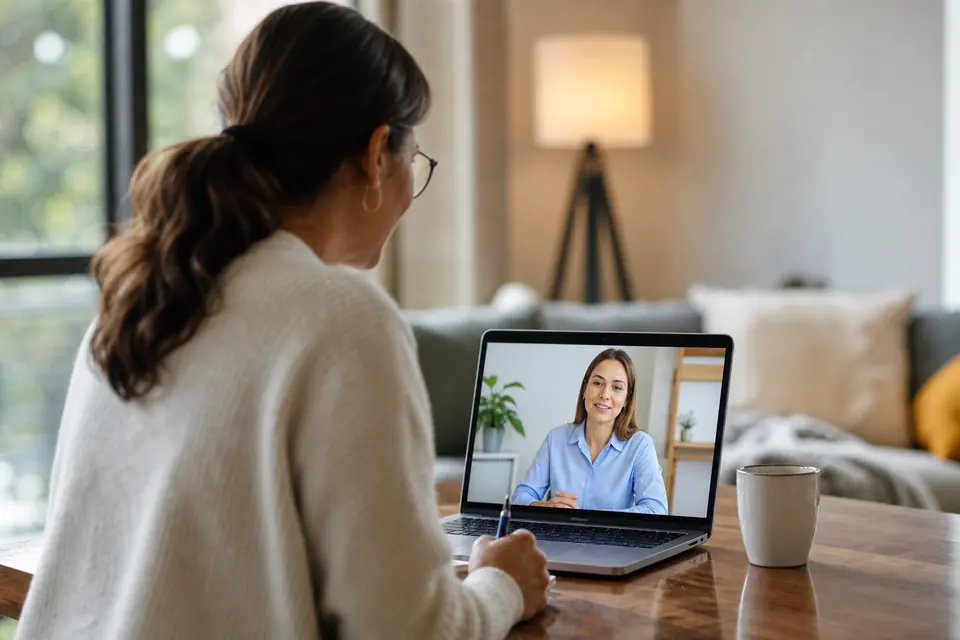
For healthcare professionals in Ferndale and surrounding areas, mastering motivational interviewing skills is crucial in providing effective addiction recovery support. These skills not only enhance the therapeutic relationship between healthcare providers and clients but also significantly contribute to positive treatment outcomes. By adopting a client-centered approach, professionals can empower individuals to explore their motivations, set realistic goals, and ultimately take charge of their recovery journey.
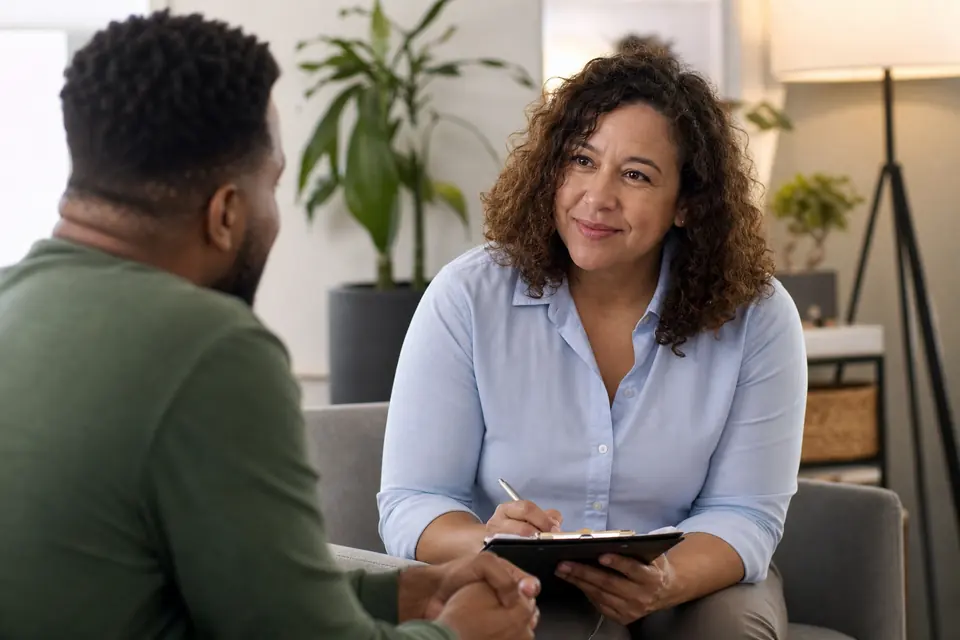
One of the foundational skills in motivational interviewing is empathy. This involves understanding and sharing the feelings of the client without passing judgment. For example, a healthcare professional might say, “It sounds like you’re feeling overwhelmed by your current situation, and that’s completely understandable.” This validation can help clients feel seen and heard, fostering a stronger therapeutic alliance. Building empathy requires active listening and patience, allowing clients to express their thoughts and emotions freely.
Another essential skill is supportive reinforcement. This technique encourages clients to recognize their own strengths and accomplishments, no matter how small they may seem. For instance, a clinician might highlight a client’s commitment to attending weekly counseling sessions or successfully resisting the urge to use substances during a particularly challenging time. By celebrating these achievements, healthcare professionals can boost clients’ confidence and motivation, reinforcing the belief that change is possible.
Collaborative goal setting is also a vital component of motivational interviewing. This process involves working together with clients to establish concrete, achievable recovery goals. In Ferndale, healthcare professionals can facilitate discussions that help clients identify what they want to achieve in their recovery journey. For example, a clinician might ask, “What is one small step you’d like to take this week towards your recovery?” This empowers clients by placing them at the center of their treatment plan and encourages them to take ownership of their progress.
Healthcare providers should integrate behavior change strategies into their motivational interviewing practice. This involves helping clients explore the reasons behind their behaviors and identifying potential barriers to change. By using open-ended questions, healthcare professionals can guide clients to reflect on their habits and motivations. For instance, asking “What do you think is holding you back from making the changes you want?” can lead to insightful conversations that uncover underlying issues that need to be addressed.
Effective therapeutic communication methods are also critical in motivational interviewing. Professionals should strive to create a safe and non-confrontational environment where clients feel comfortable discussing their thoughts and feelings about addiction. Techniques such as reflective listening, where the clinician paraphrases what the client has said, can enhance understanding and reinforce the therapeutic bond. This method not only demonstrates that the healthcare provider is actively engaged but also encourages clients to delve deeper into their motivations and concerns.
In the context of addiction recovery support, healthcare professionals in Ferndale can benefit from ongoing training and development in motivational interviewing techniques. Workshops, peer supervision, and continued education programs can provide valuable opportunities for clinicians to refine their skills and stay updated on best practices. By investing in their professional growth, healthcare providers can enhance their effectiveness and deliver higher quality care to those seeking help.
Integrating community resources and support systems into motivational interviewing practices can further enhance client outcomes. Professionals should be aware of local support groups, recovery programs, and community services available to clients in Ferndale. By connecting clients with these resources, healthcare providers can help them build a supportive network that extends beyond the clinical setting. This collaborative approach not only strengthens the recovery process but also fosters a sense of belonging and community among individuals in treatment.
Motivational Interviewing Effectiveness in Addiction Treatment
Research has shown that motivational interviewing effectiveness in addiction treatment can lead to significant improvements in recovery outcomes. Clients who engage in this method often report a greater sense of control over their recovery process and a reduction in substance use. By implementing client engagement techniques, counselors can facilitate a more supportive environment that encourages positive behavior changes.
Supporting Families and the Community
At Integrated Care Clinicians, we understand that addiction impacts not only the individual but also their families and communities. Our approach to motivational interviewing extends to include family members, offering them support and resources to better understand the recovery process. This holistic perspective is essential in promoting long-term recovery and building a supportive network around individuals in treatment.
Join Us in Ferndale, MI
If you or a loved one is struggling with opioid addiction, we invite you to explore the transformative potential of Motivational Interviewing (mi) in Ferndale, MI. Our dedicated team at Integrated Care Clinicians is committed to providing personalized care and support tailored to each patient’s unique needs. Together, we can navigate the path to recovery and build a brighter future.