Motivational Interviewing (mi) in Rochester Hills, MI
Motivational Interviewing for Opioid Addiction Treatment in Rochester Hills, MI
Understanding Integrated Care Clinicians, LLC
Integrated Care Clinicians, LLC specializes in providing comprehensive opioid addiction treatment services, including Motivational Interviewing (MI), to help individuals overcome substance use disorders. With treatment centers located in Rochester Hills, MI, we offer personalized care and support tailored to each patient's needs in the opioid treatment sector. Our mission is to support individuals on their journey to recovery through effective and compassionate treatment methods.
The Role of Motivational Interviewing in Addiction Recovery
Motivational Interviewing is a client-centered counseling approach that enhances motivation for change through dialogue. This technique is particularly beneficial for those struggling with opioid addiction, as it fosters a supportive environment where individuals feel empowered to make positive changes in their lives. At Integrated Care Clinicians, we utilize motivational interviewing approaches that are designed to build rapport and trust, which are essential for effective addiction recovery support.
Benefits of Motivational Interviewing
The benefits of motivational interviewing are numerous. This approach helps enhance client motivation, making it easier for individuals to engage in their recovery process. By focusing on the person’s own motivations and values, our trained clinicians employ motivational interviewing skills that facilitate deeper conversations about change. This not only helps clients articulate their goals but also encourages them to explore the reasons behind their substance use.
Techniques and Skills for Effective Counseling
Our counselors are equipped with a variety of motivational interviewing skills and techniques to ensure effective communication with clients. These include:
- Open-ended questions: Encouraging clients to express their thoughts and feelings freely.
- Reflective listening: Demonstrating understanding and empathy to build trust.
- Affirmations: Recognizing and reinforcing clients’ strengths and efforts.
- Summarization: Helping clients reflect on their journey and the progress they’ve made.
These therapeutic communication methods not only enhance client engagement but also empower individuals to take ownership of their recovery journey.
Behavior Change Strategies for Lasting Recovery
Incorporating behavior change strategies into our treatment plans is crucial for achieving lasting recovery. Motivational interviewing serves as a foundation for these strategies, helping clients identify barriers to change and develop actionable steps toward their goals. Our team works closely with clients to create personalized plans that address their unique challenges, ensuring they receive the addiction recovery support they need.
Effective Client Engagement Techniques for Successful Recovery
At Integrated Care Clinicians in Rochester Hills, MI, we recognize that effective client engagement techniques are essential for achieving successful treatment outcomes in opioid addiction recovery. Engaging clients meaningfully not only fosters a sense of partnership but also helps them feel more invested in their recovery process. Through the use of motivational interviewing and other strategies, we create an environment where clients can openly discuss their struggles and aspirations.
One of the primary techniques we employ is the use of motivational interviewing itself, which emphasizes collaboration between the clinician and the client. This approach allows clients to express their thoughts and feelings without fear of judgment, creating a safe space for exploration and growth. When clients feel heard and understood, they are more likely to engage in the therapeutic process and take ownership of their recovery journey. This is particularly important in Rochester Hills, where many individuals may feel isolated in their struggles with addiction.
Another effective client engagement technique is the establishment of clear goals and objectives. We work with clients to identify their personal motivations for seeking recovery and help them articulate specific, achievable goals. This goal-setting process not only provides direction but also gives clients a sense of purpose. For example, a client may express a desire to rebuild relationships with family members or regain employment. By setting concrete steps toward these objectives, clients can track their progress and celebrate small victories along the way, boosting their motivation to continue.
Active listening is also a cornerstone of our client engagement strategy. Our clinicians are trained to listen attentively and reflectively, ensuring that clients feel valued and understood. By practicing reflective listening, clinicians can paraphrase what clients share, validating their experiences and emotions. This technique not only strengthens the therapeutic alliance but also encourages clients to delve deeper into their feelings and aspirations. For instance, if a client expresses frustration about cravings, a clinician might respond with, "It sounds like you're feeling overwhelmed by these cravings, and that can be really challenging. Can you tell me more about what you’ve been experiencing?" This opens the door for further discussion and exploration of coping strategies.
We utilize motivational enhancement techniques to bolster client engagement. This involves highlighting clients' strengths and progress, no matter how small. By acknowledging their efforts, we help clients recognize their ability to overcome challenges. For example, if a client has successfully attended several treatment sessions or has reduced their substance use, our clinicians will celebrate these achievements. This positive reinforcement can significantly enhance clients' motivation and commitment to their recovery goals.
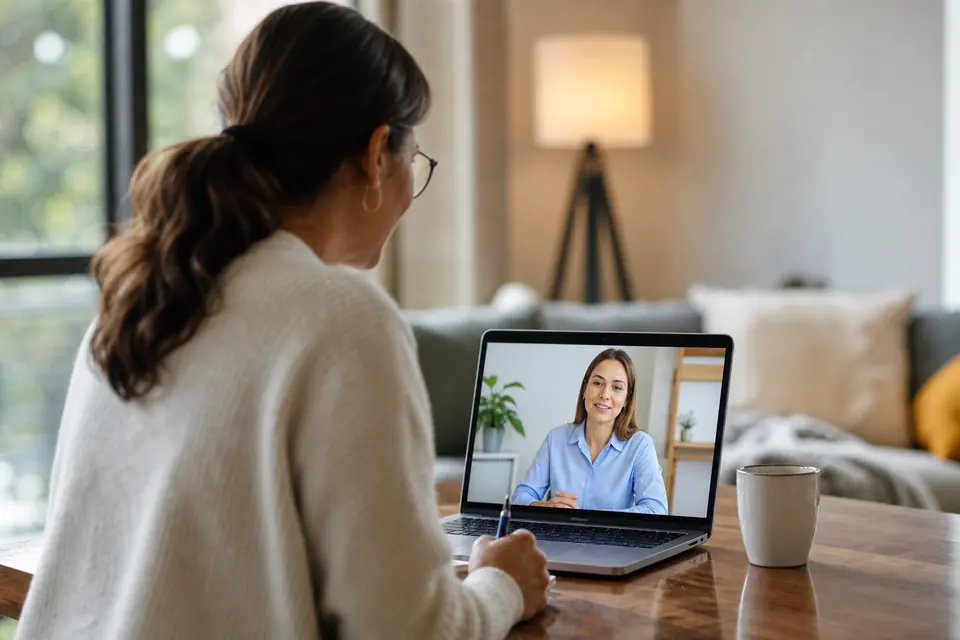
Incorporating technology into our engagement strategies has also proven beneficial. We encourage clients to utilize digital tools, such as recovery apps and online support groups, to complement their treatment. These resources can provide additional motivation and community support, particularly for those who may feel isolated in their recovery journey. For clients in Rochester Hills, accessing local online forums or telehealth services can enhance their sense of connection and provide them with ongoing encouragement from peers who understand their struggles.
- Regular check-ins: Scheduling consistent follow-ups to assess progress and address any concerns can help clients feel supported and accountable.
- Family involvement: Engaging family members in the treatment process can create a more comprehensive support network for clients.
- Feedback loops: Encouraging clients to provide feedback on their treatment experience helps them feel invested in their recovery process and can lead to improvements in their care.
We believe in the importance of cultural competence in our client engagement techniques. Understanding the diverse backgrounds and experiences of our clients in Rochester Hills allows us to tailor our approaches to meet their unique needs. This includes being sensitive to cultural differences and incorporating clients' values and beliefs into the treatment process. By acknowledging the cultural context of each client, we can foster a more inclusive and supportive environment that enhances their engagement in recovery.
Effective client engagement techniques are pivotal in promoting successful treatment outcomes for opioid addiction recovery. At Integrated Care Clinicians, we are committed to employing a range of strategies, including motivational interviewing, goal setting, active listening, and the use of technology, to create a collaborative and empowering atmosphere. By focusing on the individual needs of our clients in Rochester Hills, we aim to help them feel supported and motivated throughout their recovery journey.
The Effectiveness of Motivational Interviewing
Research has shown the motivational interviewing effectiveness in promoting behavior change and improving treatment outcomes for individuals dealing with addiction. By focusing on the client’s intrinsic motivation, our clinicians help clients navigate their recovery journey with confidence and resilience. This evidence-based approach has been proven to lead to more sustained engagement in treatment and a higher likelihood of achieving sobriety.
Supporting Families in Rochester Hills, MI
We recognize that addiction affects not only the individual but also their families. Integrated Care Clinicians provides resources and support for families seeking to understand and assist their loved ones in recovery. Our services extend to family counseling, where we incorporate motivational interviewing techniques to help families communicate effectively and support their loved ones in a constructive manner.
Serving the Greater Rochester Hills Area
Our commitment to providing exceptional opioid treatment services extends beyond Rochester Hills. We proudly serve individuals from nearby areas such as Dearborn, MI, Pontiac, MI, Clinton Township, MI, Orion Township, MI, Warren, MI, Birmingham, MI, Waterford, MI, and Shelby Township, MI. No matter where you are located, our goal is to help individuals and families find the support they need in their recovery journey.
Get Started on Your Recovery Journey Today
If you or a loved one is struggling with opioid addiction, Integrated Care Clinicians is here to help. Our compassionate team is dedicated to providing the highest level of care through motivational interviewing and other effective treatment methods. Together, we can help you overcome challenges, enhance client motivation, and achieve lasting recovery. Let us support you in taking the first steps toward a healthier, more fulfilling life.